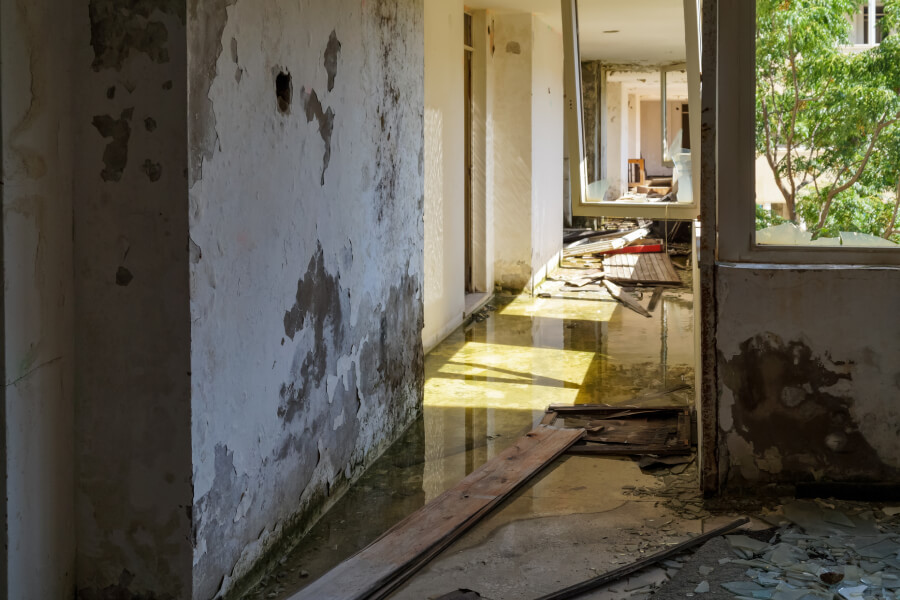
San Antonio, with its mix of historic neighborhoods and newer Hill Country subdivisions, is a great place to own a home. However, homeowners here face an often-overlooked challenge: the long-term impact of water damage on their energy bills. While the immediate effects of water damage are apparent, the lasting consequences on a home’s energy efficiency can be subtle yet significant.
Understanding San Antonio’s Unique Climate Challenges
San Antonio has a humid subtropical climate, with long, hot summers and mild winters. This climate presents specific challenges:
- Intense summer heat leading to high cooling costs
- Sudden heavy rain and flash flooding, especially in spring and fall
- High humidity that lets moisture linger in walls, attics and crawl spaces
These factors can contribute to water damage and, in turn, affect your home’s energy efficiency.
How Water Damage Affects Energy Efficiency
Water damage can impact your home’s energy consumption in several ways:
- Insulation Degradation: Wet insulation loses its effectiveness, leading to increased heating and cooling costs.
- Structural Changes: Warped wood and compromised building materials can create gaps, allowing air leaks.
- HVAC System Strain: Moisture in the air forces HVAC systems to work harder, consuming more energy.
- Mold Growth: Mold can block vents and affect air quality, reducing HVAC efficiency.
- Electrical System Damage: Corroded wires and connections can lead to increased electrical resistance and energy waste.
The Long-Term Energy Cost Implications
- Gradual Increase in Bills: Homeowners often see a steady rise in energy costs following water damage incidents.
- Seasonal Extremes: Energy bills during peak summer and winter months may show more dramatic increases.
- Hidden Costs: Even after visible damage is repaired, the effects on energy efficiency can persist for years if not properly addressed.
Example Scenario: A Burst Pipe That Keeps Costing Money
Consider a typical case: a homeowner has a minor flood in the laundry room from a burst pipe. After the initial cleanup, they might notice:
- A noticeable increase in summer cooling bills
- Persistent musty odors, indicating hidden moisture issues
- Uneven temperatures throughout their home
A comprehensive energy audit often reveals insulation damage and air leaks that went unnoticed during the initial cleanup.
Prevention and Mitigation Strategies
- Regular Home Inspections: Schedule annual checks, focusing on areas prone to water damage.
- Prompt Restoration: When water damage occurs, search for “water damage restoration near me” immediately to find local experts familiar with San Antonio homes.
- Energy Audits: Conduct periodic energy audits to identify efficiency issues early.
- Upgrade Insulation: Consider modern, water-resistant insulation materials.
- Smart Home Technology: Install water sensors and smart thermostats to detect issues early and monitor energy usage.
The Importance of Professional Restoration
Professional water damage restoration is crucial for long-term energy efficiency. Experts can:
- Thoroughly dry affected areas, preventing mold growth
- Identify and address hidden moisture pockets
- Restore or replace damaged insulation effectively
- Assess and repair any impact on electrical systems
- Provide guidance on preventing future water damage
San Antonio-Specific Considerations
- Landscape Management: Proper grading and drought-resistant landscaping can prevent water intrusion during rare heavy rains.
- Roof Maintenance: Regular roof inspections are crucial, especially for homes with Spanish tile roofs common in the area.
- Foundation Care: Given the area’s clay soil, foundation waterproofing is essential to prevent water seepage.
Community Resources and Initiatives
San Antonio homeowners have several local resources:
- CPS Energy’s Casa Verde program offers free weatherization for qualifying homes, which can help restore lost energy efficiency.
- Local home improvement stores offer classes on DIY energy-saving techniques.
- SAWS (San Antonio Water System) offers water-conservation resources, including tips for spotting hidden leaks early.
Long-Term Benefits of Addressing Water Damage
Investing in proper water damage restoration and energy efficiency improvements can lead to:
- Significant long-term savings on energy bills
- Increased home value in San Antonio’s competitive real estate market
- Improved indoor air quality and comfort
- Reduced carbon footprint and less strain on the power grid during Texas summer peaks
Future-Proofing Your San Antonio Home
As climate patterns change, preparing your home for potential water damage becomes even more crucial:
- Consider installing a whole-house water filtration and softening system to protect pipes and appliances.
- Explore rainwater harvesting systems, which can help manage water during heavy rains and provide a reserve during dry spells.
- Stay informed about new, energy-efficient building materials and techniques suitable for San Antonio’s heat and humidity.
Water damage in San Antonio homes is more than just an immediate inconvenience; it’s a potential long-term drain on your energy efficiency and wallet. By understanding the connection between water damage and energy costs, taking preventive measures, and addressing issues promptly with professional help, you can protect your home and budget. Remember, when facing water damage, a quick search for “water damage restoration near me” can connect you with local experts who understand the unique challenges of San Antonio homes. With the right approach, you can ensure your home remains energy-efficient, comfortable, and ready to face whatever weather challenges come its way.