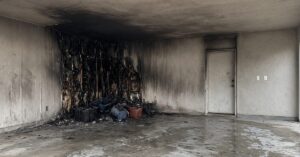
The February 2021 winter storm exposed a reality that most San Antonio and Hill Country homeowners did not know was relevant to them: pipes in homes built for a South Texas climate are not protected against sustained below-freezing temperatures. Insulation levels, pipe locations, and construction practices that work perfectly for the region’s normal weather create significant vulnerability when temperatures drop and stay below freezing for days. The resulting losses were unlike anything most Texas homeowners had previously experienced, and the patterns repeat every time a significant winter storm event hits the region.
Why Texas Homes Are More Vulnerable Than Northern Construction
Homes built in South Texas and the Hill Country route plumbing through exterior walls, attic spaces, and garage areas that in Northern construction would be located inside the thermal envelope. In a climate where outdoor temperatures rarely reach freezing for more than a few hours, this construction approach works without incident for decades. When temperatures drop into the teens and stay there for multiple days, these same pipe locations reach freezing and stay there long enough for the water inside to freeze.
The pipe does not fail while frozen. It fails when it thaws. The fracture or joint failure created by the pressure of ice expansion releases water when the temperature rises. In a single-family home, a second-floor pipe failure during a thaw can release water into the wall, floor assembly, and ceiling of every room below before the damage is discovered. Dwyer Restoration’s water damage restoration teams responded to this pattern across San Antonio, Schertz, and Cibolo during and after major winter storm events and understand how Texas construction distributes this damage differently than homes in other regions.
The Multi-Day Exposure Problem
What made the 2021 event particularly severe was the duration of the freeze. Pipes that would have survived a brief overnight temperature drop failed after multiple consecutive days below freezing. The thermal mass of the structure, which typically protects interior spaces from overnight lows, was insufficient against a sustained multi-day event that drove temperatures throughout the building envelope below freezing.
Properties that lost power during the event lost the heating that would have maintained interior temperatures above the freezing point. Homes that were occupied and heated sustained less damage than homes where power was lost or where properties were unoccupied during the event. Vacation properties and commercial buildings that went unoccupied during the storm sustained some of the worst losses because the pipe failures ran for days before anyone discovered the water.
The Typical Damage Pattern in Texas Homes
A winter storm pipe failure in a single-story Texas slab home most commonly involves pipes routed through the exterior wall insulation cavities, attic-located supply lines to the master bathroom or kitchen, and water heater supply and return lines in the garage. Water from these failures runs under slab flooring, into wall cavities, and across the entire slab footprint before it is visible in the living space.
In two-story construction, the damage footprint is larger. Water travels the full height of the wall assembly from the second-floor pipe location to the first-floor slab. Multiple rooms on both floors are typically affected before the water finds its way to an exterior drain or becomes visible. Dwyer Restoration’s residential reconstruction experience in the San Antonio area following winter storm events means the team recognizes these Texas-specific damage patterns and maps the full loss extent before any drying equipment placement begins.
What the Restoration Timeline Looks Like
Emergency extraction removes standing water on the day of the call. Thermal imaging and moisture mapping identify the full extent of water migration into walls, flooring, and ceiling assemblies. Industrial drying equipment runs continuously for three to five days with daily moisture readings confirming progress. Selective demolition of saturated drywall and insulation that cannot be dried in place is completed during the drying phase. Reconstruction follows moisture clearance and covers drywall replacement, insulation, flooring, paint, and any finish work removed during the mitigation phase.
How to Protect Against Future Winter Storm Events
- Know the location of the main water shutoff and confirm it is accessible before winter
- Identify pipe locations in exterior walls, attic, and garage during a dry inspection
- Install pipe insulation on exposed supply lines in unheated or poorly insulated areas
- Set thermostat minimum to 55 degrees even when unoccupied during potential freeze events
- Open cabinet doors under sinks on exterior walls during freeze events to allow heated air circulation
- Consider whole-house leak detection systems that alert remotely to unexpected water flow
Frequently Asked Questions
Q: Why do Texas homes have more pipe freeze damage than Northern homes during a winter storm?
A: Homes built for South Texas climate route plumbing through exterior walls, attics, and garages that in Northern construction would be inside the thermal envelope. These locations work without issue in normal South Texas winters but are highly vulnerable to sustained multi-day freeze events because the thermal protection that would exist in Northern construction is not present. The pipes reach freezing temperature quickly and stay there as long as outdoor temperatures remain below freezing.
Q: Does homeowners insurance cover pipe freeze damage in Texas?
A: Yes. Burst pipe damage from a freeze event is covered under standard homeowner policies as a sudden and accidental water event. Texas policies with vacancy clauses may condition coverage on the home being maintained at a minimum temperature during any extended absence. Coverage typically includes structural repair, drywall and flooring replacement, and contents damage from the water intrusion.
Q: How do you find all the water damage after a pipe bursts in a Texas home?
A: Thermal imaging cameras identify temperature differentials on wall and ceiling surfaces that indicate moisture presence behind the surface. Calibrated moisture meters measure moisture content at depth in each affected material. Together these tools map the full extent of water migration from the pipe failure before any drying equipment is placed. This assessment is what prevents mold from establishing in areas that were wet but not included in the drying scope.
Q: How long does restoration take after a winter storm pipe burst?
A: Emergency extraction happens on day one. Structural drying with industrial equipment takes three to five days with daily moisture readings confirming progress. Reconstruction of drywall, insulation, flooring, and finishes follows moisture clearance and depends on scope. For a standard residential winter storm pipe loss with multiple affected rooms, total restoration from first call through completed reconstruction typically takes three to six weeks.
Winter storm pipe damage in San Antonio, Schertz, Cibolo, or the surrounding area? Dwyer Restoration handles the full process from emergency extraction through reconstruction. Call now for certified response.